 Circoplex
For aerial hoop, silks, trapeze and aerial-yoga students and teachers
Tight shoulders from silks or hoop? Your handstand has a shape for that.
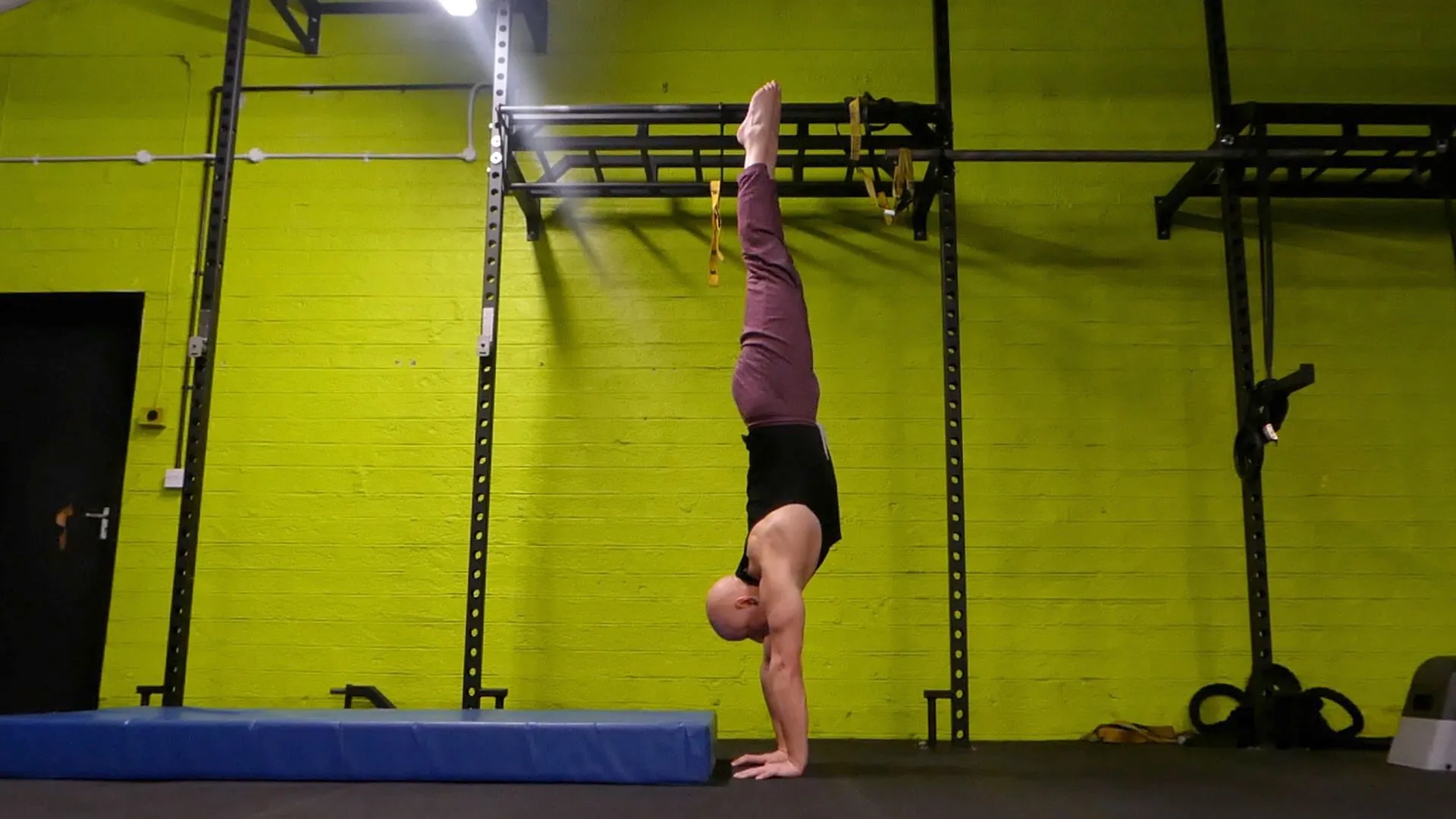
Split and leg-over shapes from a circus hand balancer, while the range comes.
One short email a day for a week: a short film, a drill demo and one small thing to try, from Ben Lowrey. Free, for ages 18 and over.
Founding price £47 until 30 November 2026, then £67

Sound familiar?
- Shoulders tight from hours on silks
- You can climb the fabric but can't push
- Arms overhead feels short
- Nobody teaches aerialists the floor handstand
Memories
What learning with Ben feels like
Memories from our workshops, retreats and Circoplex Sundays, 2016–2019.
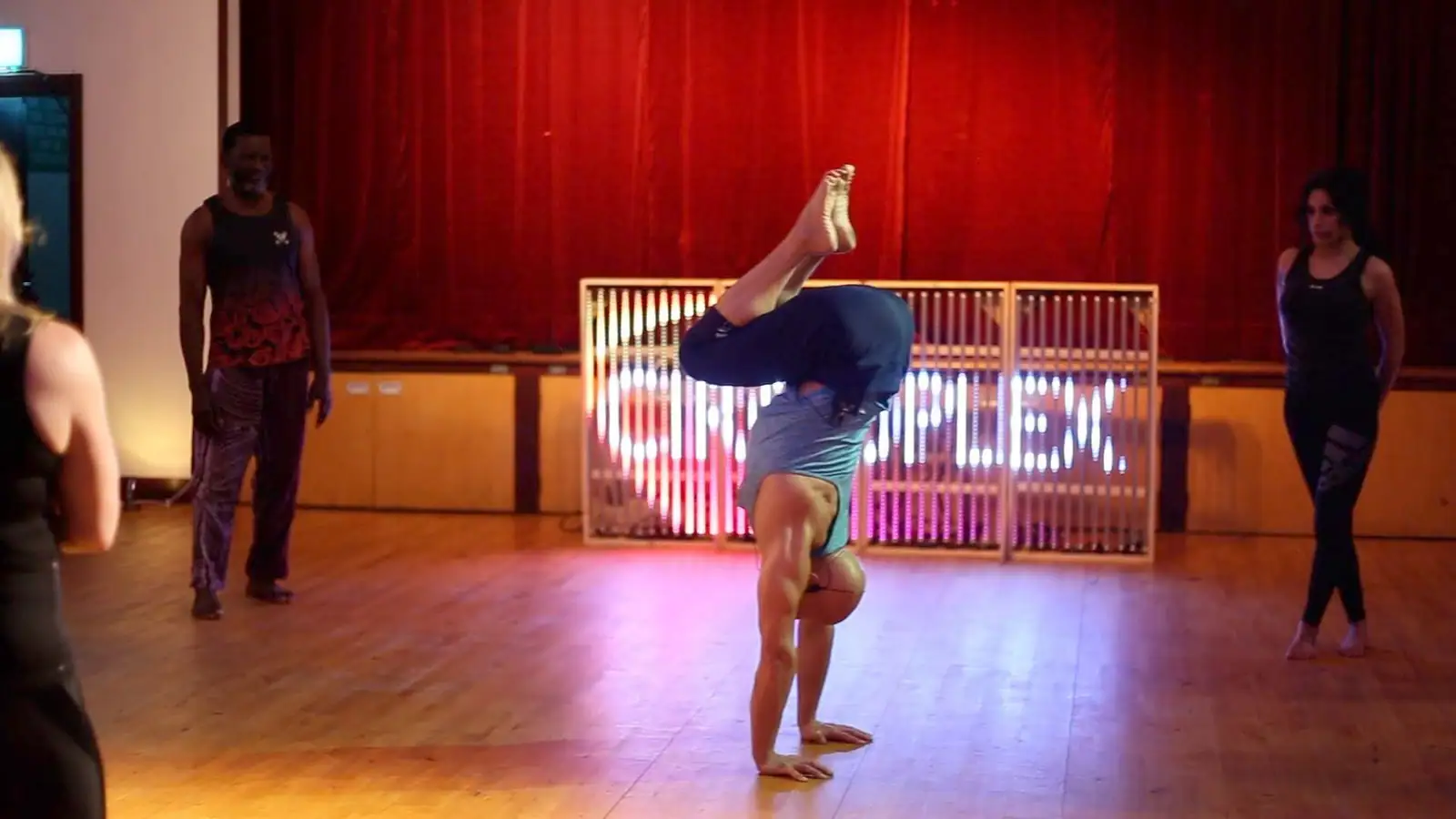
Circoplex Sunday, November 2018 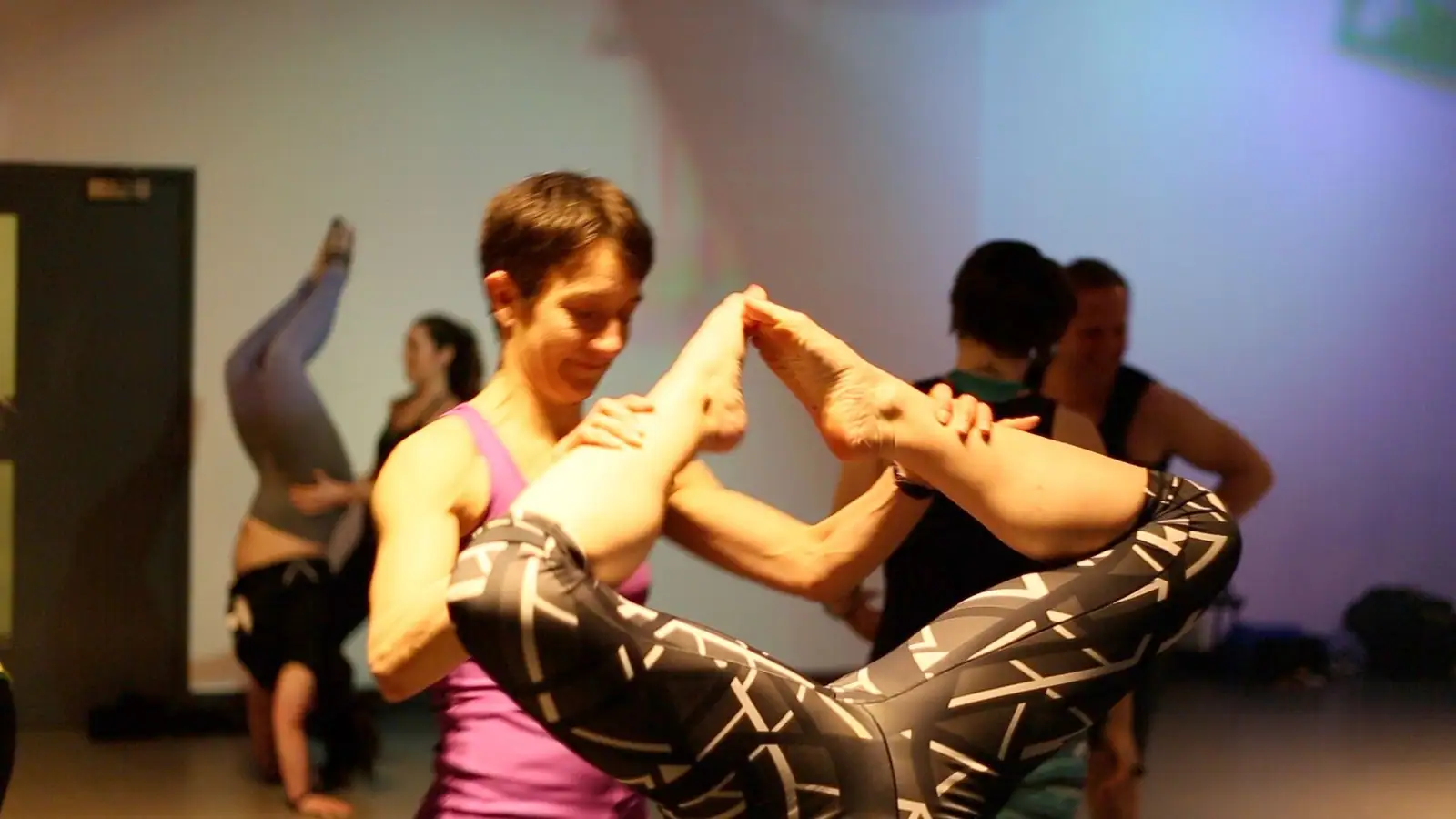
Handstand workshop, April 2018 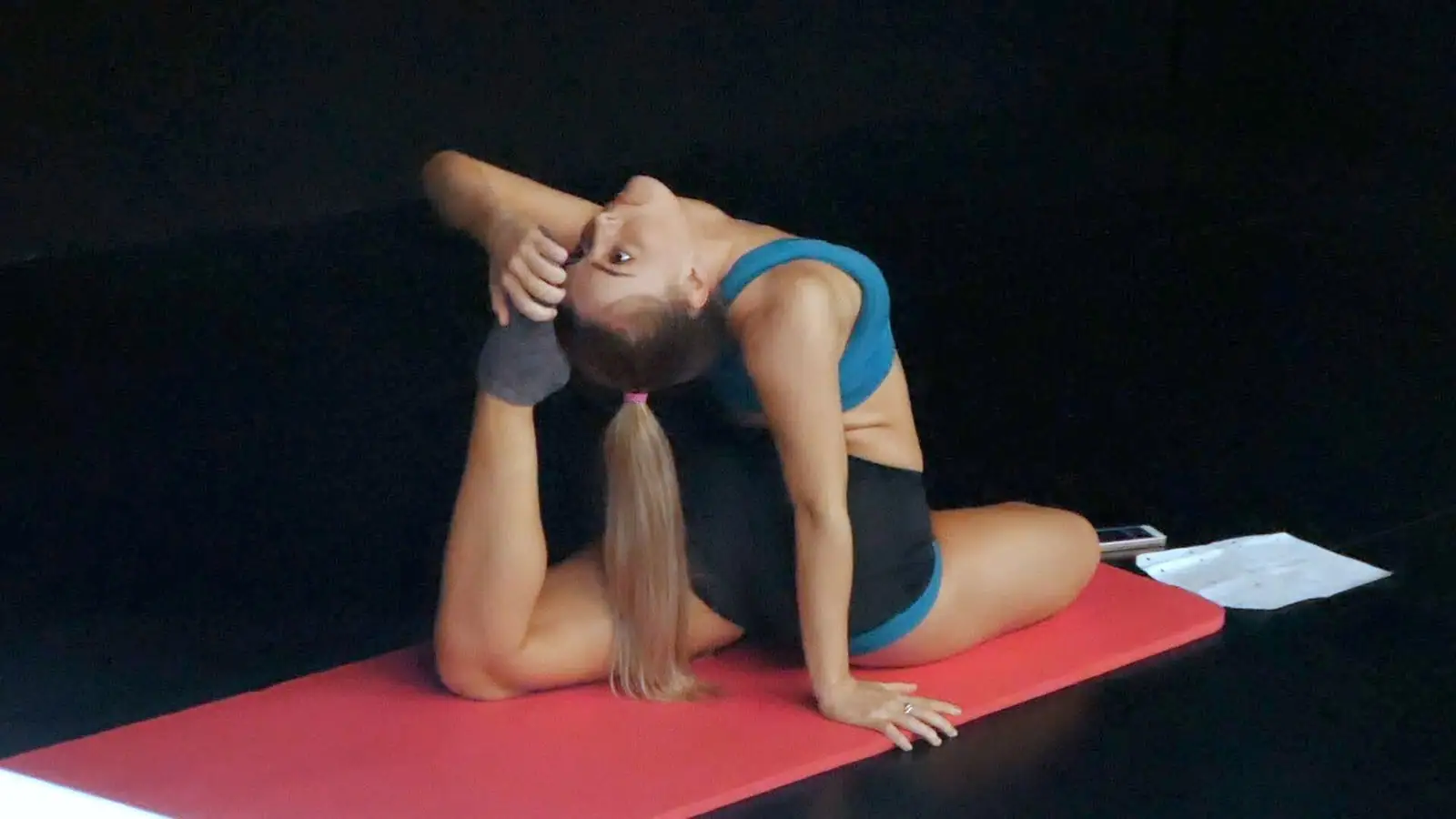
Flexibility course shoot with Vikki Earle 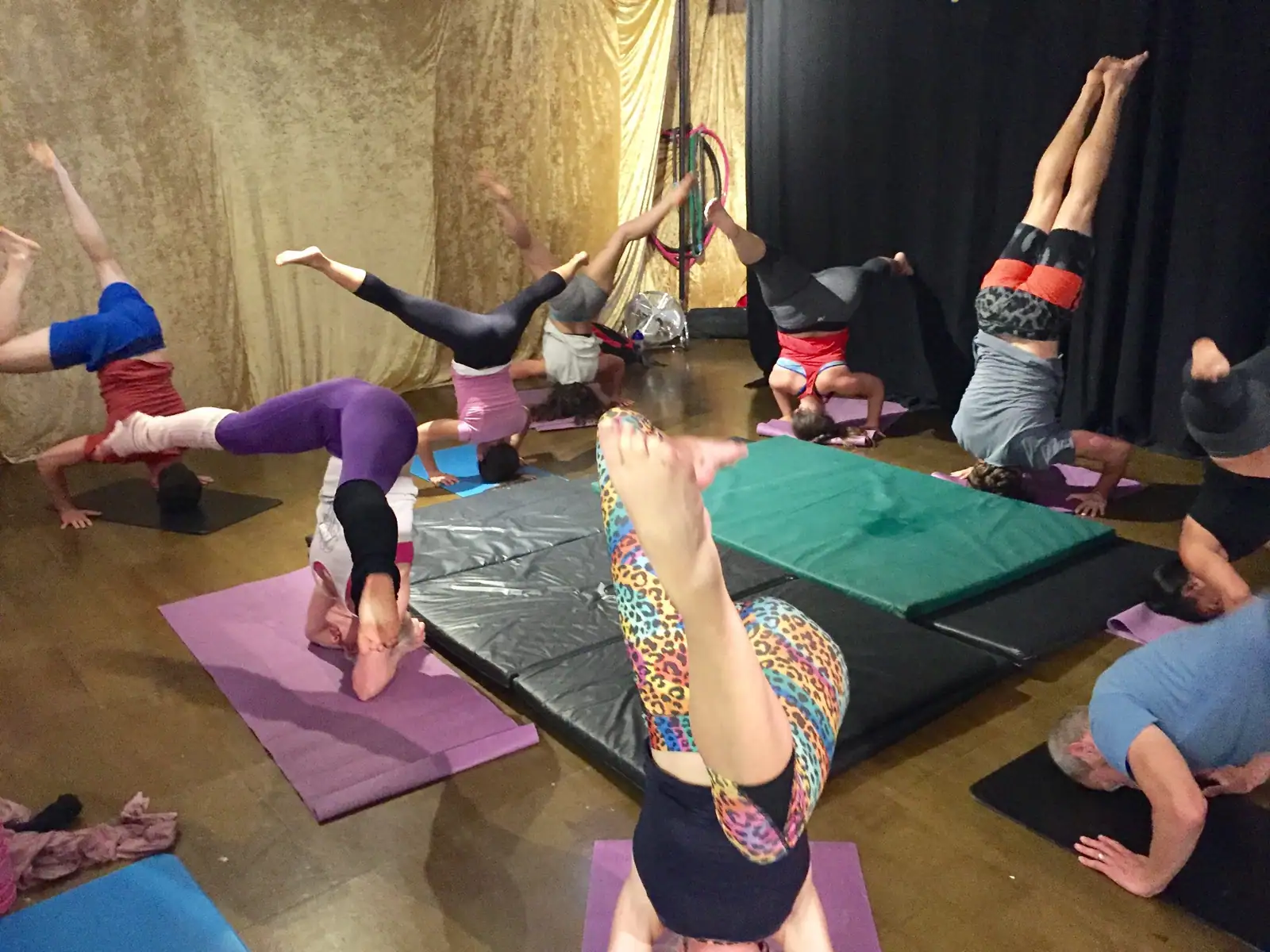
Aerial studio workshop, October 2017 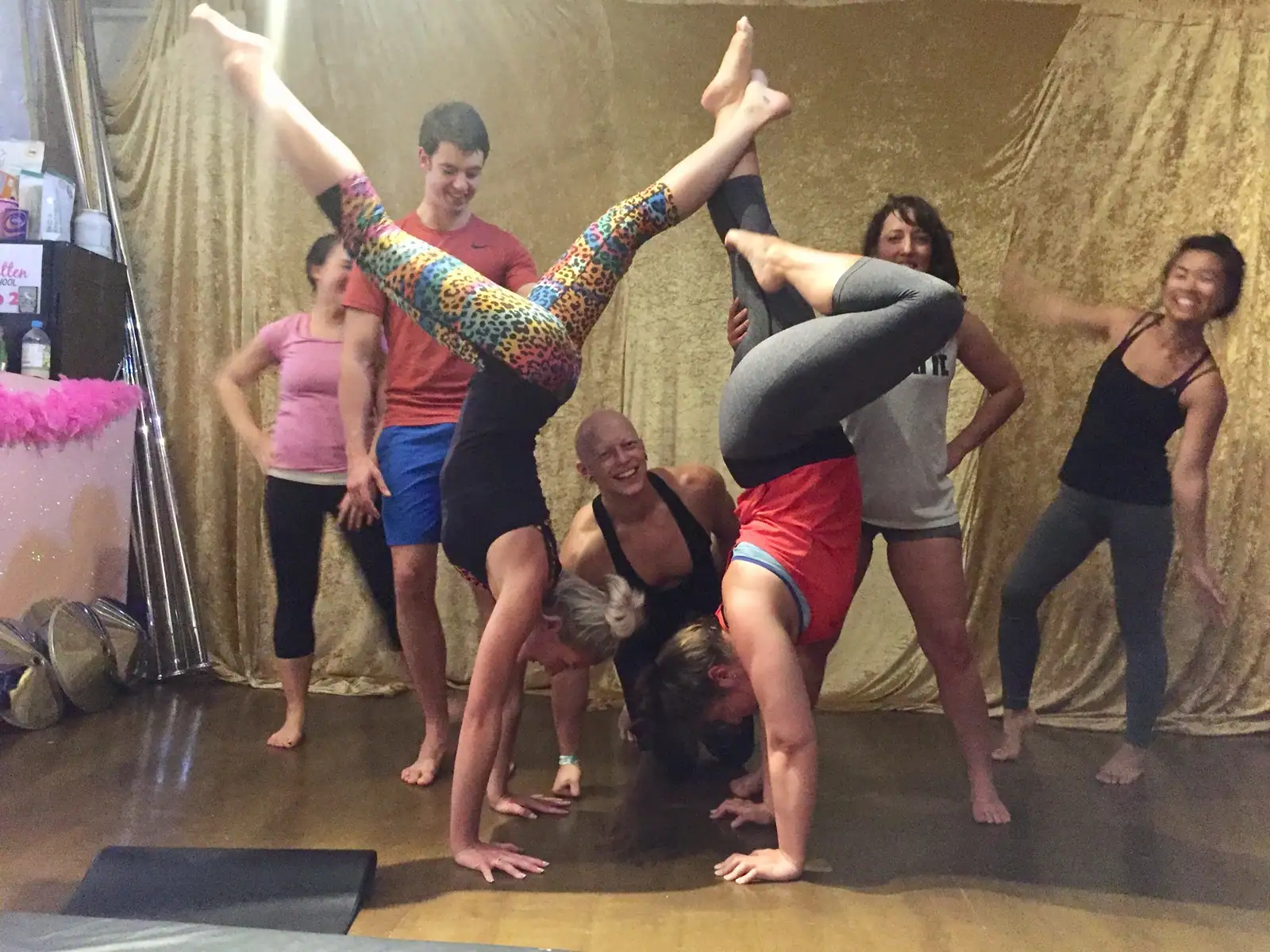
Aerial studio workshop, October 2017 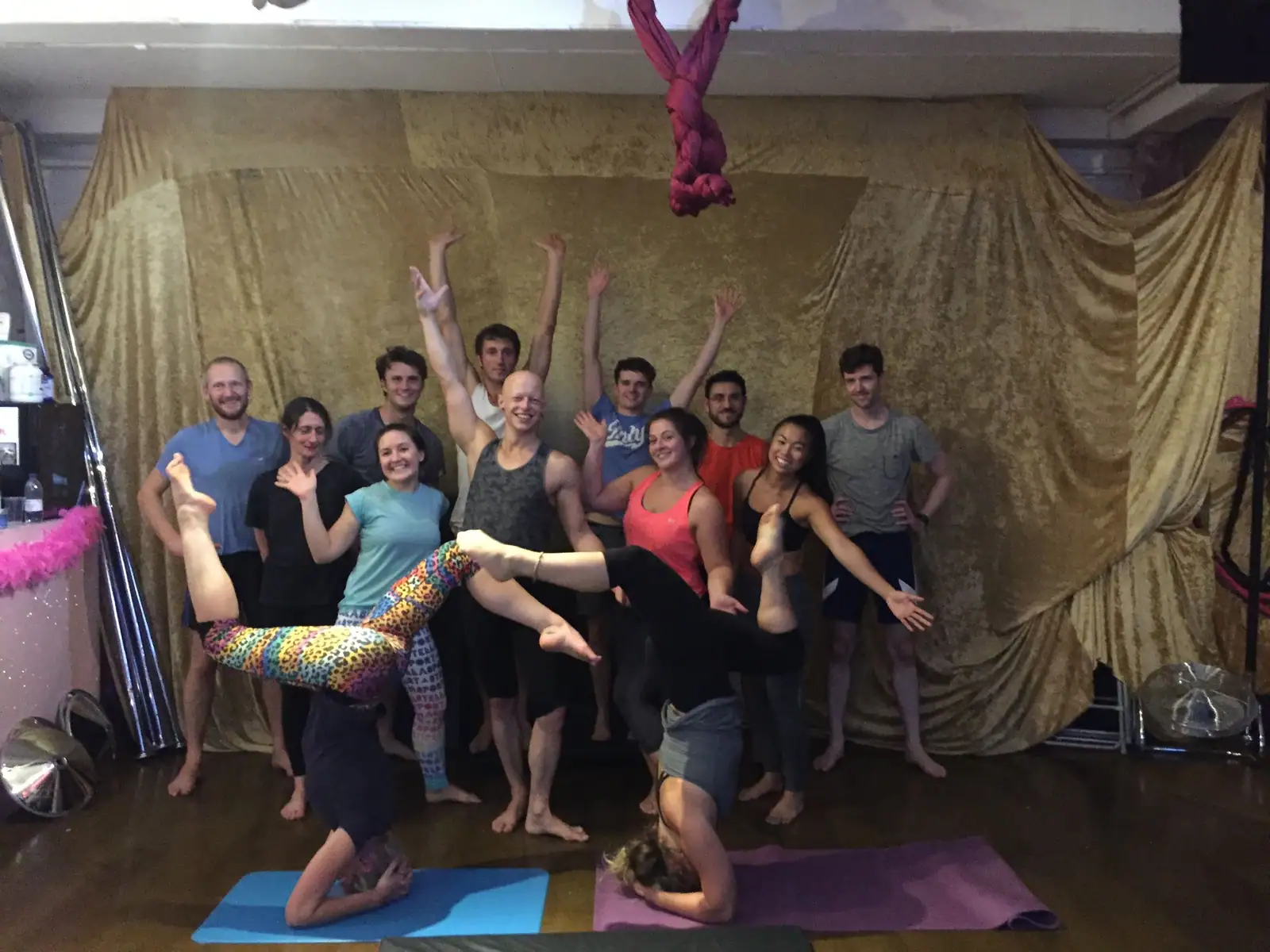
Aerial studio workshop, October 2017


The other half of aerial training
Learn to push
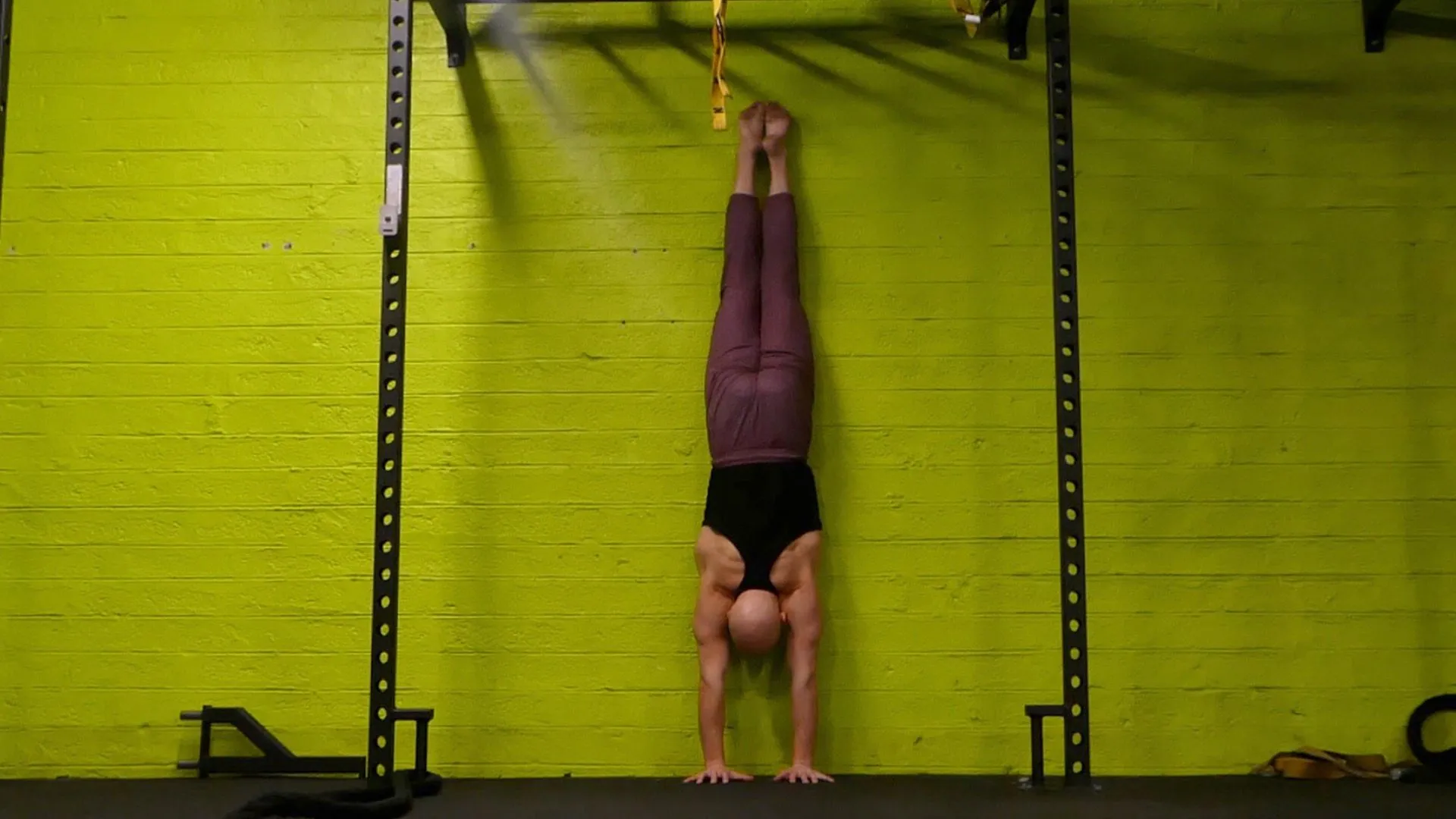
Straight arms, shoulders to the ears, push the floor away.
Open the shoulders
The stretch Ben calls the most important for handstands.
Shapes for tight shoulders
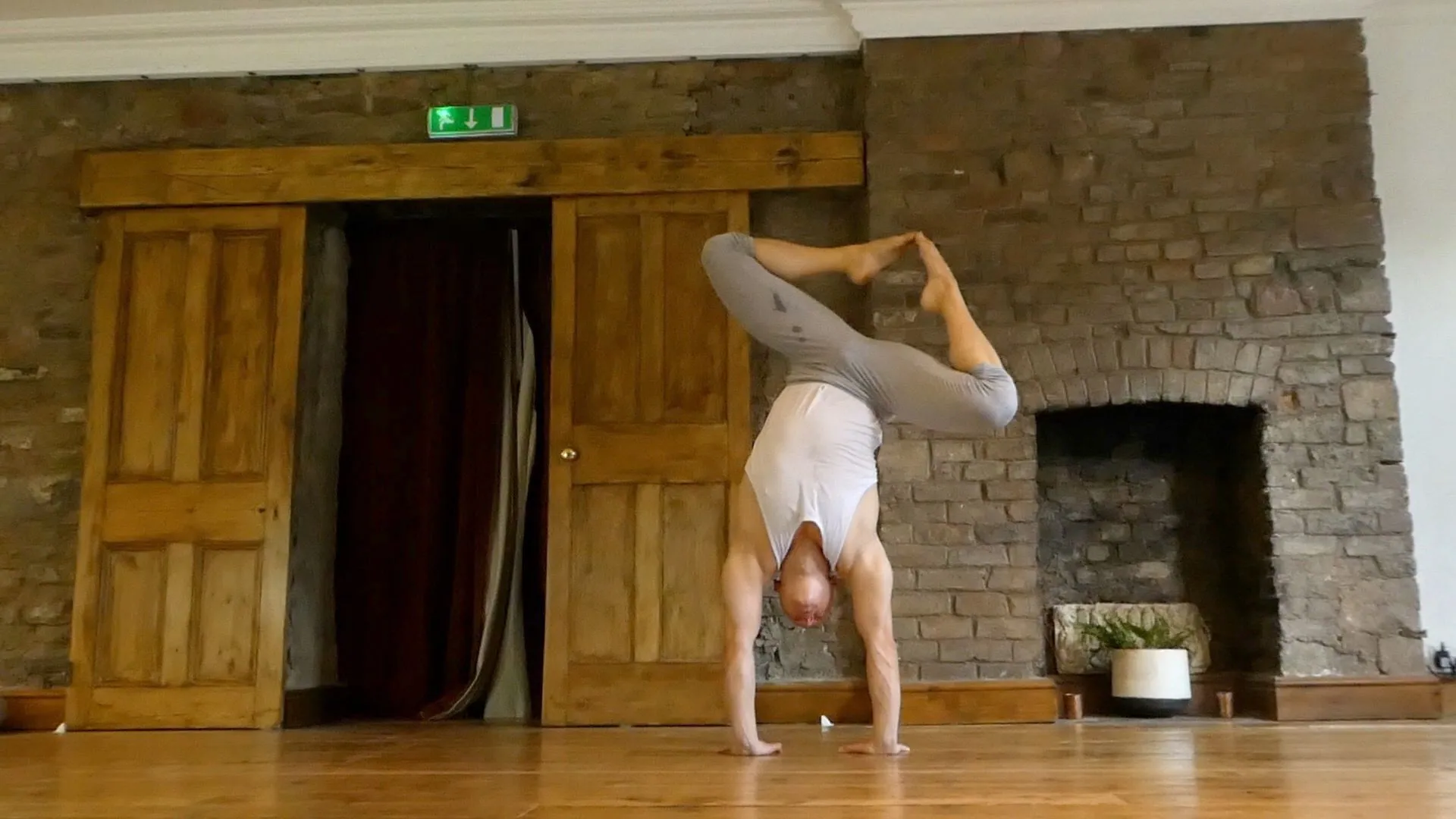
Split the legs to lower the centre of gravity.
Watch free previews

In Ben’s words
Ben Lowrey started learning handstands in 2013, came to hand balancing through yoga and began teaching at the end of 2015.
“Most people's shoulders are restricted, especially aerialists, trapeze people, silks, climbers, pole dancers, anybody who's pulling their lats and their biceps are going to get buff.”
“This is the most important stretch we can do for handstands. It's going to open our shoulders.”
“This split leg position is easier than a straight handstand because the process of splitting your legs lowers your center of gravity”
What you get
- Free 7-Day Starter firstOne short email a day, before you decide anything.
- 4 full coursesAbout an hour each, including two on flexibility.
- 10 tutorialsStep by step, each with a written article.
- 43 daily drillsShort demos to follow at home.
- A 12-week programmeThe order to do it all in.
What aerialists get in the library
- Pushing work to balance pulling
- Opening tight shoulders
- Split and leg-over shapes
- Inversion awareness at the wall
- Flexibility for overhead range
Before you sign up
- “I train on apparatus.”
- This is floor work to balance it, not apparatus teaching.
- “My shoulders are sore.”
- Stop and see a physio. The library is technique, not rehab.
- “Free videos exist.”
- They do. The library adds the courses and the order.
Handstand questions from aerialists
What happens after 30 November?
The founding price of £47 is for purchases made by the end of 30 November 2026, UK time. From 1 December 2026 the library costs £67. Buying at £47 gets you exactly the same access, and the same 14-day refund, as buying at £67.
Why should aerialists train handstands?
Aerial is mostly pulling. A handstand is a straight-arm push overhead. Ben names aerialists, trapeze and silks among people whose shoulders tighten from pulling.
Do floor handstands help aerial inversions?
They build inversion awareness and pushing strength on the ground. The library doesn't teach apparatus skills.
How do I get stronger for aerial at home?
Floor work at a wall: straight-arm holds, plank taps and shoulder opening.
Is an aerial yoga handstand easier than a floor handstand?
The hammock supports you, so it feels different. The floor version trains the push and balance yourself.
Why pay £47 when there are free videos?
The tutorials and drills are free. The library adds the full courses and a 12-week order.
Free tutorials to start with
The Ultimate Handstand Library
Over 5 hours of teaching across 4 courses, 10 tutorials and 43 drills, sequenced into a 12-week programme.
The tutorials and drills are free; the library adds the full courses and the programme that sequences them.
£47 including VAT, paid once.
Founding price until 30 November 2026, then £67.
Pay once — lifetime access*
*for as long as Circoplex runs, and at least 10 years from your purchase; if it ever closes, 90 days' notice and a download.
14-day refund, no questions asked: ask within 14 days of buying and get all your money back.
Payments are processed by Stripe/Link (Onelink, LLC) as merchant of record. Onelink, LLC sends your payment receipt, and the charge appears on your statement as LINK.COM* CIRCOPLEX. Circoplex sends a separate access confirmation.
The library is open now.
Who it isn’t for
- It is not a quick fix. There are no promised timelines: a handstand takes regular practice over time.
- It is not live coaching. The library is recorded teaching, so nobody watches or corrects your form.
- It is not for anyone a doctor or physiotherapist has told to avoid being upside down.
- Ben says himself that the press to handstand is not right for every body.
The free 7-Day Handstand Starter
One short email a day for a week: a short film, a drill demo and one small thing to try, from Ben Lowrey.